Posts

Showing posts with the label dental tips

Pregnancy Gingivitis: Caring for Your Gums While Expecting

Image
Pregnancy is a beautiful journey filled with excitement and anticipation. While most expectant mothers focus on their growing bellies and the health of their unborn child, one crucial aspect often gets overlooked – oral health. Pregnancy gingivitis, a common condition among pregnant women, can have far-reaching consequences if left unattended. In this article, we will explore what pregnancy gingivitis is, why it occurs during pregnancy, and most importantly, how to care for your gums while expecting. What is Pregnancy Gingivitis? Pregnancy gingivitis is a type of gum disease that occurs during pregnancy. It is characterized by inflammation and bleeding of the gums. This condition is more prevalent during pregnancy due to hormonal changes that affect the body's response to bacteria in dental plaque. Why Does it Happen During Pregnancy? The hormonal changes during pregnancy, particularly an increase in progesterone and estrogen, can make your gums more susceptible to the bacteria in ...

Post-Op Care Right After The Tooth Extraction

Image
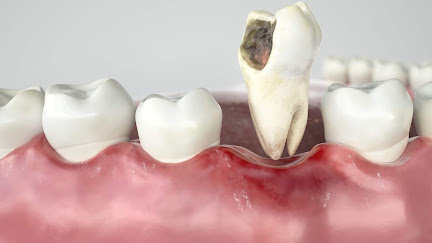
Following are some post-operation care you can practice after your tooth extraction: 1. Maintaining the gauze pressure Following the extraction , some gauze for you to bite down can be placed over an extraction site. Through biting down and then maintaining the pressure on your gauze the way it has been instructed by the dentist, any active or possible bleeding should then stop. You can change a gauze pad right after the initial hour. Continue biting down for more 45 minutes when the heavy oozing keeps on. While it is normal for a bit oozing to keep on for 24 hours, you may contact your dental office when you still experience profuse bleeding or oozing. 2. Until a local anesthesia fades Until your local anesthetic had totally worn out, it is important to protect yourself to any unintentional injuring or biting of your cheeks, gums, lips or tongue, and you have to take your medications as prescribed. Antibiotics – when you had been given the prescription for antibiotics, make sure that...

Dental Emergencies

Image
The dental emergencies do not run on the schedule basis, and in every clinic, it is understandable. When these problems come out, your dentist will give their time for you through staying late, focusing on taking you out of the pain and shifting their appointments. What you will expect Whatever your dental emergency is, you must visit your doctor in the soonest possible way! Call your dentist’s office now, and they will surely do their very best to have you in that moment to be treated, then feel better in just no time. Your dental emergency is really not a joke. And so here is a review about what is and also what is not considered as a dental emergency. DENTAL ABSCESS The dental abscess is the dental emergency and must be treated right away. The dental swellings could extend and become more risky situations if not properly treated. DENTAL TRAUMA The dental trauma involved the lost of tooth is one dental emergency! If the permanent teeth fall out of the mouth because of injury, Dr. Pl...

Dental Extractions

Image
Making ‘goodbyes’ in as painless as the dentists can! In some cases, the patient need to get his tooth removed because of some problems and the doctors are really sorry for that! Whether the tooth is a wisdom or the tooth that undergone trauma, it can be an unpleasant encounter, but, your doctors will do everything that they can make the treatment as forgettable and as painless as possible. What you will expect Other teeth will need removal since they’re poorly positioned inside your mouth (like impacted teeth), and in preparation for the orthodontic treatment. The extraction of a solo tooth will lead to problems connected to the chewing ability, jaw joint, and the shifting teeth that can have the major impact with your dental health. In avoiding these complications, there are alternatives to extractions that will discuss with you and also replacement options of an extracted tooth. What you will anticipate? During the extraction, the doctor is going to numb your jaw bone, your gums th...

Invisalign Of The Teeth

Image
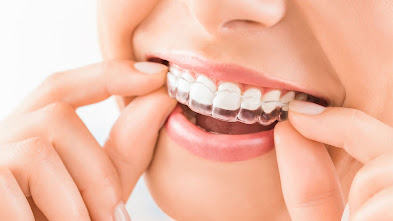
How do Invisalign works? The initial step is to have a schedule of consultation with the doctor, so they will devise the treatment plan which is best fitted to the person’s dental needs. The moment it is approved, you will take your initial set of aligners. Then, the doctor will regularly monitor the shifting of the teeth and new aligner can be ordered based on the progress made in the treatment plan. What is Invisalign composed of? The Invisalign aligners are composed of flexible and clear plastics. The company received the patent for this kind of material that will be exclusively used for the Invisalign treatment purpose. The aligner is an FDA approved and is nearly invisible! Invisalign Invisalign uses 3-D computer imaging machinery to correct malocclusions or problematic bites through planning a total sequence of customize made clear aligners. The series of the clear aligners incrementally shifts the teeth in place until the last desired corrections will be reached. With the Invis...

Your Gums Are Bleeding for These 5 Reasons

Image
Have you ever noticed that your gums bleed when you brush or floss your teeth? It's not uncommon. Do you want to know why this happens and what you can do to avoid it from happening again? However, the fact is that your gums may bleed for a multitude of reasons, and the only way to stop the bleeding is to determine what is causing it and then make the necessary adjustments. The following are some of the most common reasons for bleeding gums; nevertheless, you should see your dentist for further information. Too Much Flossing or Brushing When it comes to cleaning your teeth, dental plaque is extremely sensitive, and it may be removed by brushing your teeth gently with a small amount of pressure. In the event that your gums are bleeding, one of the first things you should consider is how hard you are brushing. In addition to bleeding gums, frayed toothbrush bristles are a common indication that you are brushing too aggressively. Your gums may bleed if you floss more than once a day o...

Ten Causes of Teeth Discoloration and Darkening

Image
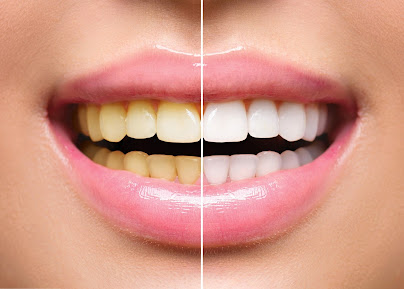
If your teeth aren't as sparkling white as you'd like, you might be wondering what caused them to discolor. Several reasons might cause discolored and darkened teeth; however, there are a few treatment methods available to brighten your smile. Drinks that cause darkening and discolored teeth include: Coffee, tea, soda, wine, and acidic fruit juice are the most frequent beverages that discolor teeth. Tobacco compounds discolor teeth when they are smoked or chewed. Make the decision to stop smoking right now, not just for your dental health, but also for your entire health. Inadequate oral hygiene: Failure to brush and floss allows stain-producing chemicals from cigarettes and certain drinks to discolor your teeth. A mouthwash containing chlorhexidine or cetylpyridinium chloride may also cause discoloration. Fluoride in excess: Fluoride is a vital tooth defender in modest quantities, but in large concentrations, it can discolor your teeth. High fluoride levels in the local wat...

10 Unknown Facts About Your Teeth

Image
Did you know that people have been using toothpaste since around 500 B.C.? The Greeks used to brush their teeth with a combination of iron rust and coral powder. Toothbrushes were chewed-on twigs. It's a good thing dental treatment has improved since then, because we now have several instruments at our disposal. Your teeth help you eat every day. It can help you take better care of them and keep you happy for a long time. 1. Your teeth are one-of-a-kind. Your teeth are like your fingerprints in that they are completely unique to you. Dental records are occasionally used to identify human remains because of this. Even identical twins aren't born with the same set of teeth. In addition, your tongue has a distinct “tongue print.”   2. They will remind you of icebergs. Under your gums, about a third of each tooth is visible. This is why maintaining the health of your gums is just as essential as maintaining the health of your teeth. Your gums should be pink and firm at all...

Dental Advice for the Summer

Image
Summer is here! And it implies that none of the children will be able to attend school. This time of year, children have a lot of free time, which is fantastic for them, but it's also a lot of work for parents. You're always taking care of them during this time of year, whether it's cooking, cleaning, or transporting them to soccer practice. To make things a little simpler, we've put up a list of dental recommendations to keep you and your kids on track with their oral health. Eat Healthy Snacks and Avoid Sugary Foods When summer arrives, a child's regular routine is thrown out the window. They are not required to get up for school and are free to remain up late. Their regular meals will also vary as a result of the change in routine. Unhealthy snacks and sugary meals frequently incorporate into their summer diet, which is not ideal. Cavities are caused in part by sugary meals and drinks. To avoid this, have nutritious food in the cupboard and refrigerator. A few e...

Dental Tips to Improve the Appearance of your Teeth

Image
Preventing dental problems and maintaining good oral health is crucial for your entire health, not just for your oral health but also for your general health. With these dental care techniques , you can keep your smile bright and your teeth solid and your overall health. Twice a Day, Brush and Floss Whilst you should wash your teeth at least once every day, twice per day is preferable! The optimum time to clean your teeth is immediately after eating a meal, and you should also floss at this time. For a minimum of 2 minutes, you should brush your teeth thoroughly, making sure to cover all of your teeth.  Fluoride should be used. According to research, it is thought that fluoride is more helpful and considerably more likely than a permanent solution, as evidenced by current data showing that it is far more effective than fluoridated water in terms of effectiveness. Fluoride can be applied manually or by your dentist, or it can be recommended by dentists. It can also be applied usin...