Posts

Showing posts with the label Cosmetic Dentist

Lingual Braces vs. Traditional Braces: Pros and Cons

Image
When it comes to achieving a beautiful, straight smile, there are various orthodontic treatments available. Two popular options are lingual braces and traditional braces, both of which fall under the umbrella of reconstructive dental services. These treatments can address a wide range of dental issues, from misaligned teeth to bite problems. In this article, we'll explore the pros and cons of lingual braces and traditional braces, helping you make an informed decision about which option is right for you. Lingual Braces: The Hidden Heroes Pros of Lingual Braces Invisibility: One of the most significant advantages of the lingual braces is the invisibility. These braces are being placed on the inner surface of the teeth, making them virtually undetectable to some others. For individuals who are conscious of their appearance during treatment, lingual braces offer a discreet solution. Comfort: Lingual braces are custom-designed to fit the individual's teeth, which often results in ...

Grinding and Clenching: Breaking Free from Bruxism

Image
Understanding Bruxism Bruxism, often referred to as teeth grinding or clenching, is a common dental problem that affects millions of people worldwide. It is a condition where individuals unconsciously grind their teeth, typically during sleep, though it can also occur during waking hours. Bruxism can lead to various dental issues, including tooth damage, jaw pain, headaches, and more. In this article, we will explore the causes, symptoms, and solutions for bruxism, including the role of a cosmetic dentist in treating this condition. Recognizing the Signs and Symptoms Identifying bruxism can be challenging, as it often occurs during sleep. However, there are several signs and symptoms that may indicate the presence of this condition: Tooth Damage: One of the most obvious signs is the wear and tear on your teeth. Frequent grinding of teeth can lead to flattened, chipped, or fractured teeth. Jaw Pain: Bruxism can cause significant jaw pain, especially upon waking up in the morning. Thi...

Emergency Treatment of your Teeth

Image
At your chosen dental clinics, the compassionate and experienced dental team gives the broad range of service to address the dental emergencies in the community that they are serving. They are making sure that your smile will be taken care with the best hands. The patient’s comfort and care are the top priority. The doctor’s practice is to maintain a position at a forefront of advances within the treatment and diagnostics technology to give that gentle, safe and precise care. There are so many kinds of urgent oral health issues and dental emergencies and this include: Abscesses and Toothaches Fractured or chipped teeth Broken or loose fillings Lost or dislodged dental crowns Lost, broken, or ill-fitting dentures Problematic wisdom teeth Acute Periodontal Problems Broken or loose down teeth Bleeding or swollen gums Viral, bacterial, or fungal Infections that affects the cheeks, gums, lips, tongue, or some other soft tissues inside your mouth Swelling or oral pain of an unknown origin S...

Invisalign Of The Teeth

Image
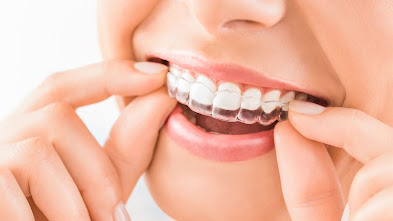
How do Invisalign works? The initial step is to have a schedule of consultation with the doctor, so they will devise the treatment plan which is best fitted to the person’s dental needs. The moment it is approved, you will take your initial set of aligners. Then, the doctor will regularly monitor the shifting of the teeth and new aligner can be ordered based on the progress made in the treatment plan. What is Invisalign composed of? The Invisalign aligners are composed of flexible and clear plastics. The company received the patent for this kind of material that will be exclusively used for the Invisalign treatment purpose. The aligner is an FDA approved and is nearly invisible! Invisalign Invisalign uses 3-D computer imaging machinery to correct malocclusions or problematic bites through planning a total sequence of customize made clear aligners. The series of the clear aligners incrementally shifts the teeth in place until the last desired corrections will be reached. With the Invis...

10 Unknown Facts About Your Teeth

Image
Did you know that people have been using toothpaste since around 500 B.C.? The Greeks used to brush their teeth with a combination of iron rust and coral powder. Toothbrushes were chewed-on twigs. It's a good thing dental treatment has improved since then, because we now have several instruments at our disposal. Your teeth help you eat every day. It can help you take better care of them and keep you happy for a long time. 1. Your teeth are one-of-a-kind. Your teeth are like your fingerprints in that they are completely unique to you. Dental records are occasionally used to identify human remains because of this. Even identical twins aren't born with the same set of teeth. In addition, your tongue has a distinct “tongue print.”   2. They will remind you of icebergs. Under your gums, about a third of each tooth is visible. This is why maintaining the health of your gums is just as essential as maintaining the health of your teeth. Your gums should be pink and firm at all...

At-home Remedies for Toothaches and Other Dental Discomfort

Image
It's critical to see a dentist right soon if you have a severe toothache, swelling, or similar dental emergency. They can provide you advice on how to treat your symptoms at home to alleviate pain and suffering while preventing the condition from getting worse. If you require immediate attention, they will advise you to schedule an emergency consultation at your local dental facility. Toothache  The most frequent dental condition is toothache. It might be moderate or severe, continuous or intermittent, and have a wide range of reasons. If you have a toothache, these home dental care strategies may be able to help you manage the discomfort until you can visit a dentist. Food and beverages that are too hot or cold should be avoided. Sugary and acidic foods and beverages should be avoided. Use an over-the-counter pain reliever. To relieve discomfort, use anesthetic gel or clove oil to the affected region. Apply an ice pack or a cold compress to the outside of your cheek. Brush and f...